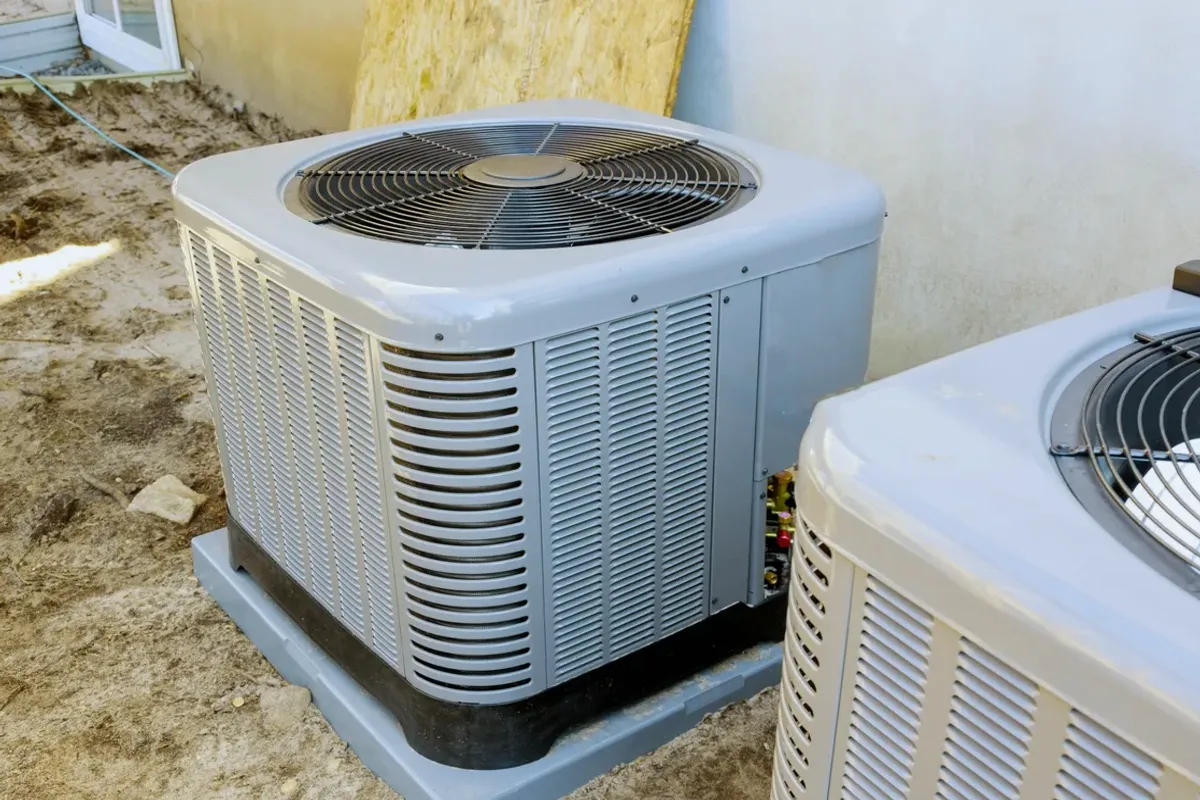
Does the system run without cooling, fail to start, or show a different symptom at the indoor and outdoor units?
When an air conditioner runs without cooling properly, the cause may be airflow, an electrical component, a control fault, or a problem in the refrigerant circuit. Central air and ductless systems have different layouts, so the equipment type and observed symptoms help define the inspection. Note whether the indoor unit, outdoor unit, or both are operating, and whether cooling changed gradually or stopped suddenly. This information helps distinguish a repair need from a broader replacement decision.
Assessment should identify whether the system is central air or ductless, record its model and any fault display, and compare the indoor and outdoor unit operation. Inspection of airflow, electrical components, controls, and the refrigerant circuit helps locate the fault. Refrigerant readings alone do not establish why charge is low; leak evidence may change the repair scope.
Central air and ductless system diagnosis
Airflow, coils, controls, and refrigerant checks
Component repair compared with replacement
Assessment and Scope
Questions for the Proposed Work
01
Trace the cooling fault before choosing a repair
Warm supply air can result from poor airflow, a control or electrical fault, or a refrigerant-circuit problem. Diagnosis should compare system operation with the fault history and inspect the components relevant to that equipment. For central air, duct airflow may affect the symptoms; for ductless equipment, each indoor head may behave differently. Refrigerant handling and internal electrical work require qualified service, not occupant adjustments.
02
Make maintenance depend on inspection
Maintenance can include checking airflow, coils, electrical connections, controls, and refrigerant-circuit indicators, with the exact work guided by the model instructions and inspection findings. A dirty filter or coil may restrict airflow, but that does not explain every cooling fault. If charge appears low, the assessment should investigate the cause rather than treating added refrigerant as a complete repair.
03
Weigh repair against replacement condition
A failed capacitor or contactor and a compressor fault involve different parts, work, and repair implications. Compare the confirmed defect with the equipment's age, condition, repair history, and the scope of any related work. A replacement discussion is relevant when the diagnosed repair is extensive or failures recur, but a single fault does not by itself establish that replacement is preferable.
Compare the next step
Describe upstairs and basement conditions at the same time rather than using the lower-level temperature alone. Ask whether humidity, air delivery, or equipment performance explains the difference. Clarify which proposed work addresses each condition and whether moisture sources outside the cooling system need separate attention.
Do not open electrical panels or handle refrigerant. If ice, water near electrical equipment, or abnormal operation is present, stop using the affected system and request an assessment.