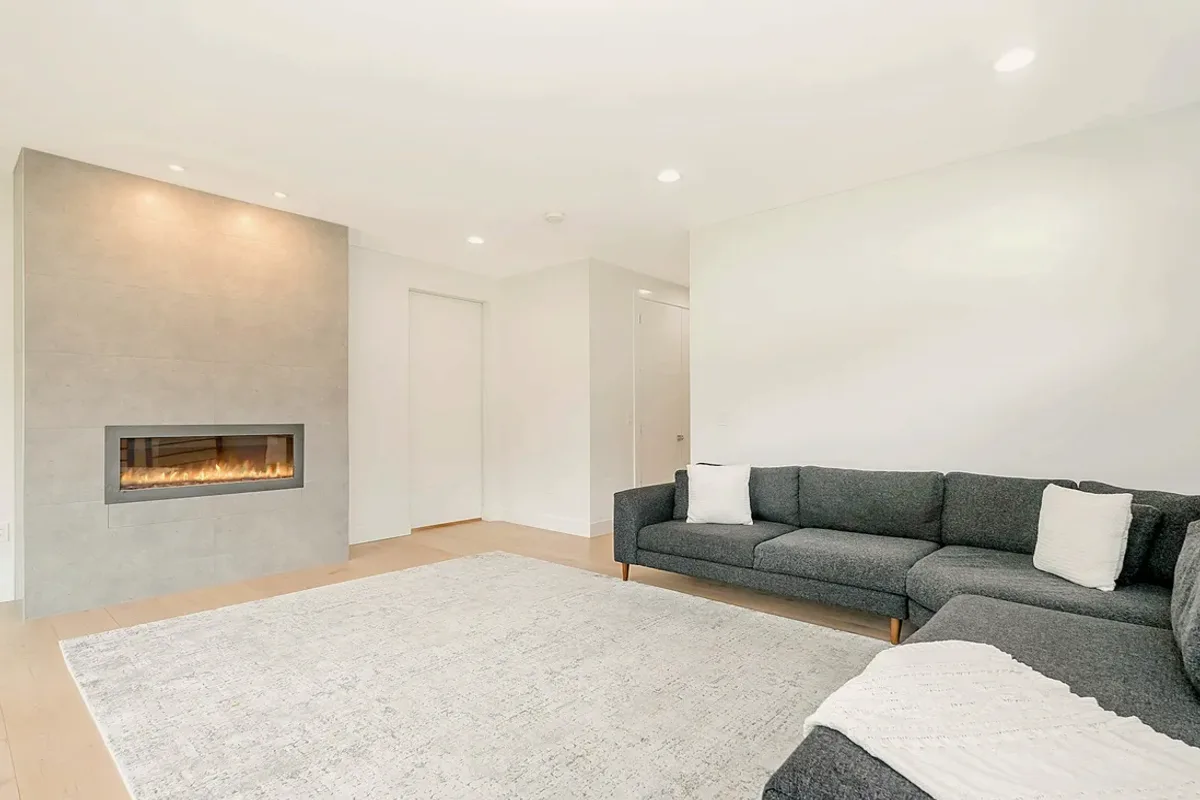
Request fireplace installation for a property in Markham. Include the equipment, the problem or planned work, and your location so the request can be reviewed.
Which fireplace type are you considering, and will it use an existing opening or a new location?
A fireplace installation plan depends first on the selected appliance and the room where it will be placed. Gas, electric, and wood-burning models have different connection, clearance, and venting requirements, so the existing wall, chimney, or other proposed route must be assessed against the model instructions. If an existing fireplace is being replaced, its condition and the suitability of the current opening and connections can change the work required. Confirm the appliance type and installation location before defining scope.
Assessment should identify the appliance model or type, proposed location, surrounding construction, and any existing opening, chimney, or vent route. Gas supply or electrical connection requirements also depend on the selected unit. These details determine whether existing features can be retained or must be altered, and help define installation work before equipment is selected.
Gas, electric, and wood-burning appliance differences
Opening, firebox, and vent-route assessment
Fuel or electrical connections and finishing scope
Assessment and Scope
Questions for the Proposed Work
01
Match the installation to the fireplace type
Gas, electric, and wood-burning fireplaces do not share one installation method. The selected model determines its required connections, clearances, support, and operating instructions. A gas unit requires assessment of its fuel connection, an electric unit requires a suitable electrical plan, and a wood-burning model requires attention to its firebox and venting arrangement. Confirming the appliance type prevents unrelated connection assumptions from entering the project scope.
02
Assess the opening and vent route
Where an existing opening or chimney is being reused, its dimensions, condition, and compatibility with the proposed appliance matter. A direct-vent model may require a different route from a wood-burning fireplace, while an electric unit may not use a combustion vent. Any visible damage to an existing firebox, appliance, or vent can change the installation plan and should be assessed before the opening is closed or finished.
03
Define connection and finishing work
A complete project description should distinguish appliance placement from work on the gas or electrical connection, venting, surrounding materials, and final finish. The selected model's instructions and inspection findings determine applicable clearances and installation requirements. If replacing an existing fireplace, confirm which components are compatible rather than assuming the old connections can be reused. This keeps the installation scope specific to the actual unit and site.
Compare the next step
Coordinate the basement appliance location with the outside vent route, fuel connection, and required enclosure. Ask how its useful output suits the room and how controls interact with existing heat. Establish the permitted mantel and wall finishes before placing furniture, storage, or a television around the planned unit.
Use a qualified contractor for the chosen appliance and any fuel, venting, or electrical work. Do not alter the appliance or defeat its controls. Confirm its manufacturer operating requirements before relying on it for whole-home or outage heating.